
ATL Lab Setup Checklist: Everything a School Needs
IEM RoboticsTable of Content
-
What is an ATL Lab?
-
Why Proper ATL Lab Setup Matters
-
ATL Lab Setup Checklist
-
Safety Requirements for ATL Labs
- Conclusion
The future of education lies in innovation, creativity, and hands-on learning. To prepare students for the challenges of a technology-driven world, the Government of India launched the Atal Innovation Mission, a flagship initiative aimed at fostering innovation and entrepreneurship among young minds. One of its most impactful programs is the Atal Tinkering Lab (ATL), which enables schools to create dedicated spaces where students can explore STEM concepts through practical experimentation. An atl lab is much more than a classroom filled with equipment. It is a collaborative environment where students learn by designing, building, testing, and improving solutions to real-world problems. However, creating a successful ATL requires thoughtful planning, the right infrastructure, and appropriate STEM resources.
This comprehensive checklist outlines everything a school needs to establish a future-ready atal tinkering lab that aligns with the objectives of the Atal Innovation Mission.
What is an ATL Lab?
An atl lab is a dedicated innovation space where students can develop critical thinking, creativity, and problem-solving skills through experiential learning. These labs encourage students to work on projects involving robotics, electronics, coding, artificial intelligence, IoT, and product design.
The primary objective of an ATL is to nurture curiosity and help students transform innovative ideas into practical solutions. By providing access to advanced technologies and hands-on learning opportunities, schools can prepare students for future careers in science, technology, engineering, and entrepreneurship.
Why Proper ATL Lab Setup Matters
The effectiveness of an atal tinkering lab depends heavily on its setup. A well-planned lab provides students with the tools and resources they need to innovate confidently.
A properly equipped ATL helps schools:
● Promote experiential and project-based learning
● Enhance STEM education outcomes
● Encourage innovation and entrepreneurship
● Develop technical and analytical skills
● Improve student engagement and collaboration
● Support participation in innovation competitions and hackathons
Without the right resources, students may not be able to fully explore their creativity or develop practical solutions to real-world challenges.
ATL Lab Setup Checklist
1. Dedicated Innovation Space
The foundation of any successful atl lab is a dedicated workspace designed specifically for innovation and collaboration.
Schools should allocate a spacious area where students can comfortably brainstorm ideas, build prototypes, conduct experiments, and work on group projects. The space should have flexible seating arrangements, worktables, adequate lighting, proper ventilation, and secure storage facilities for tools and equipment.
Displaying student projects and innovation achievements can further inspire creativity and foster a culture of experimentation.
2. Robotics Kits
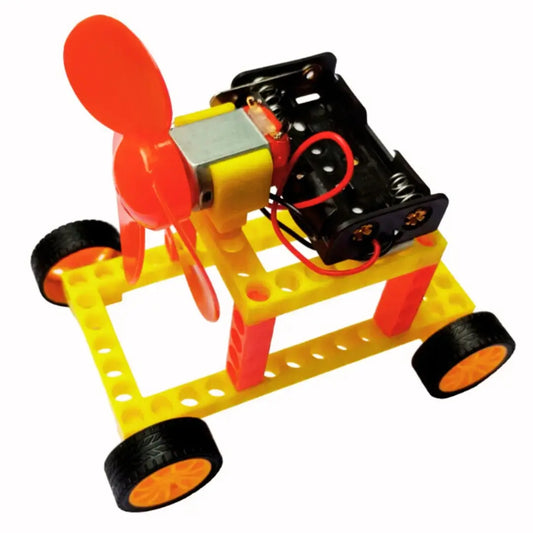
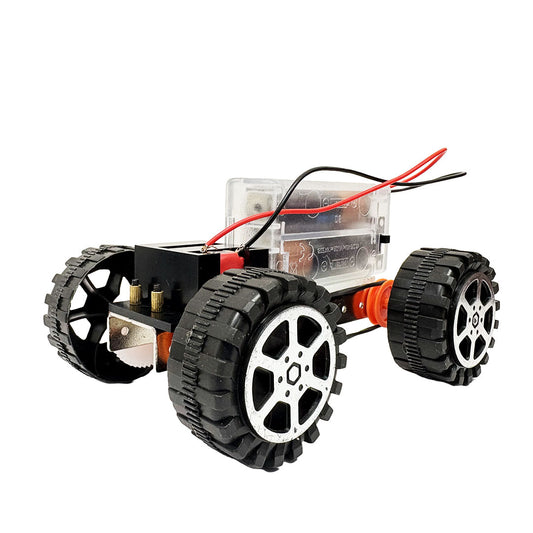
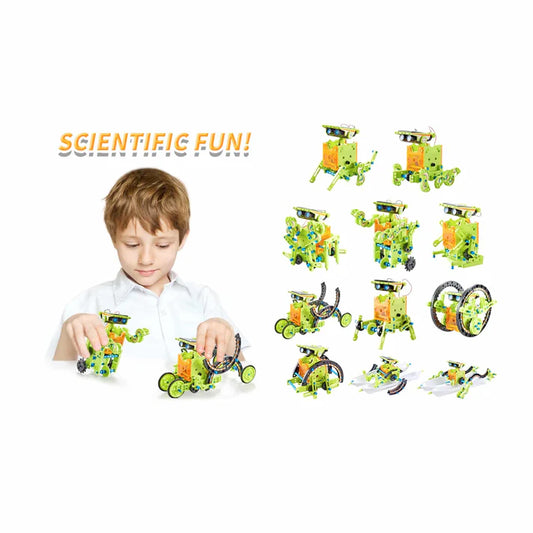
Robotics is one of the most exciting aspects of any ATL. Robotics kits allow students to combine coding, electronics, mechanics, and engineering principles into hands-on projects.
Schools should invest in a variety of robotics kits suitable for different age groups and skill levels. Beginner kits help younger students understand basic concepts, while advanced kits introduce automation, sensors, and intelligent systems.
Robotics projects encourage students to develop logical thinking, teamwork, and problem-solving skills while gaining practical experience with emerging technologies.
3. Electronics and DIY Components
Electronics forms the backbone of many innovation projects in an atal tinkering lab. Students need access to essential components that enable them to design and test electronic circuits.
A well-equipped lab should include breadboards, LEDs, resistors, capacitors, transistors, jumper wires, switches, batteries, and microcontrollers. These components allow students to understand the fundamentals of electrical engineering and create prototypes ranging from simple circuits to complex automation systems.
Practical electronics activities help bridge the gap between theoretical concepts and real-world applications.
4. Coding and Programming Resources
Programming is a core skill in today's technology-driven world. Every atl lab should provide students with opportunities to learn coding through interactive and project-based experiences.
Schools should support multiple programming platforms, including Scratch, Blockly, Python, and Arduino IDE. Beginners can start with visual programming tools before progressing to text-based coding languages.
Coding enables students to control robots, develop applications, analyze data, and create intelligent systems. These skills are increasingly valuable across almost every industry.
5. Internet of Things (IoT) Development Kits
The Internet of Things is transforming industries by connecting devices and enabling real-time data exchange. Including IoT kits in an ATL helps students understand how smart technologies work.
IoT development kits typically include Wi-Fi-enabled microcontrollers, sensors, cloud platforms, and communication modules. Students can create projects such as smart homes, environmental monitoring systems, automated irrigation solutions, and energy management applications.
These projects expose students to technologies that are shaping the future of industries worldwide.
6. 3D Printing and Rapid Prototyping Tools
Innovation often requires students to transform ideas into physical models. This is where 3D printing becomes invaluable.
A 3D printer allows students to design and manufacture prototypes directly from digital models. By learning 3D design software and rapid prototyping techniques, students gain valuable engineering and product development skills.
Whether creating robotic components, architectural models, or innovative product designs, 3D printing helps bring creativity to life while enhancing design-thinking capabilities.
7. Artificial Intelligence and Machine Learning Tools
Artificial intelligence is becoming an essential component of modern education. Introducing AI concepts in an atl lab helps students understand technologies that are revolutionizing industries.
Schools can provide AI learning kits, vision sensors, voice-recognition modules, and machine-learning software platforms. Students can work on projects involving image recognition, predictive analytics, chatbots, and intelligent automation systems.
Early exposure to AI empowers students with future-ready skills and encourages them to explore advanced technological innovations.
8. Prototyping Tools and Workshop Equipment
Innovation requires building, testing, and refining ideas. Therefore, every atal tinkering lab should include a basic prototyping workshop.
Essential tools include screwdrivers, pliers, wire cutters, soldering stations, measuring instruments, glue guns, and hand tools. These resources allow students to safely assemble and modify their projects.
Hands-on construction activities help students understand engineering principles while improving their technical and practical skills.
9. Computers and Digital Infrastructure
Computers serve as the central hub for design, coding, research, simulation, and documentation activities within an ATL.
Schools should provide sufficient computers or laptops equipped with software for programming, 3D design, robotics development, and AI experimentation. Reliable high-speed internet connectivity is equally important for accessing online learning resources, tutorials, and cloud-based platforms.
A strong digital infrastructure ensures students can fully utilize modern STEM technologies.
10. STEM Learning Resources and Training Materials
Even the most advanced equipment requires proper educational support. Schools should provide structured STEM learning materials that guide students through projects and innovation challenges.
Useful resources include project manuals, activity guides, online courses, experiment kits, innovation toolkits, and teacher training materials. These resources help educators deliver engaging lessons while ensuring students develop a strong understanding of STEM concepts.
Continuous learning opportunities encourage students to pursue innovation beyond the classroom.
Safety Requirements for ATL Labs
Safety is a critical aspect of every Innovation Labs setup. Students frequently work with electrical components, tools, and machinery, making proper safety measures essential.
Schools should maintain fire extinguishers, first-aid kits, safety signage, and emergency procedures. Students should receive training on the safe use of tools and equipment before participating in practical activities.
A secure learning environment allows students to innovate confidently while minimizing risks.
Conclusion
A successful atl lab requires more than just purchasing equipment—it demands a well-planned ecosystem that promotes creativity, collaboration, and hands-on learning. From robotics kits and electronics components to AI tools and 3D printers, every element plays an important role in helping students become innovators and problem-solvers. By following this comprehensive checklist, schools can establish an effective atal tinkering lab that supports the vision of the Atal Innovation Mission. Well-equipped Innovation Labs empower students to experiment, explore emerging technologies, and develop the skills needed to succeed in the future innovation economy.

By: Binita Barman